



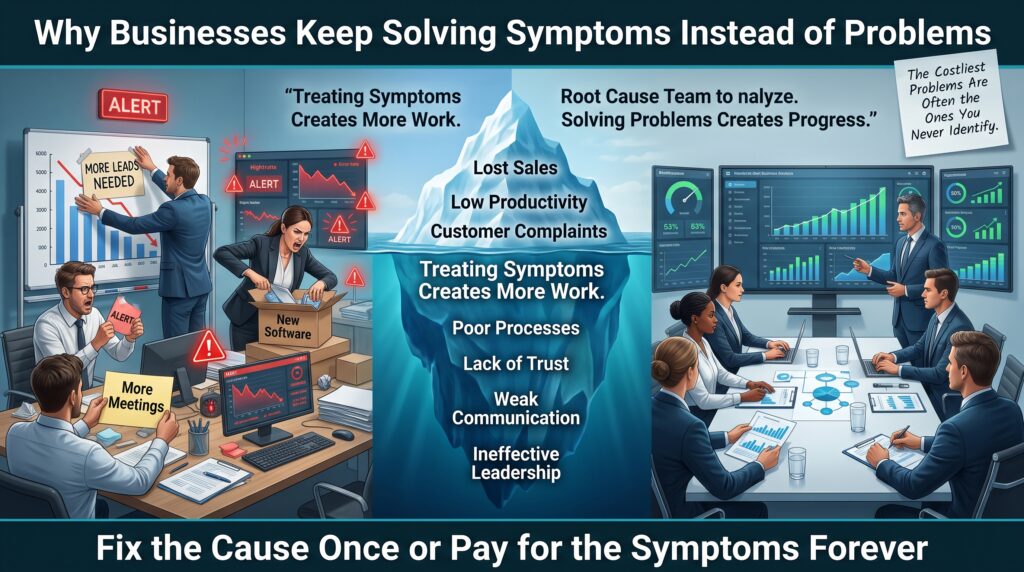
The silent career killer is not laziness, bad luck or a difficult boss. It is being genuinely good at things that the market no longer rewards. You hit your targets, your manager is happy, your colleagues rely on you and your performance reviews look great, yet your pay stalls, your promotions go to someone else and the job ads that excite you ask for skills you never had time to build. Because nothing feels broken, the problem can run for years before anyone, including you, notices the damage.
In this guide we explain how the silent career killer works, the warning signs to watch for, why it is growing across Australian workplaces, and a practical 90-day plan to move from being good at the wrong things to being valuable at the right ones. Whether you work in Sydney, Melbourne, Brisbane, Perth, Adelaide or Canberra, and whether you are early in your career or well established, the principles are the same.
What Is the Silent Career Killer?
The silent career killer is the gap between what you are skilled at and what your industry actually pays for. It is silent because it produces comfort rather than pain. Skills that are slowly losing value still feel productive: you are fast, accurate and respected for them. Meanwhile, the work that drives growth, such as analysing problems, shaping requirements, influencing stakeholders and making data-backed decisions, goes to people who invested in those skills while you were busy being excellent at something else.
Put simply, being good at the wrong things means your effort is high and your leverage is low. You work hard, but the market is not asking for more of what you offer.
Why Being Good at the Wrong Things Feels So Safe
If it is so damaging, why does it catch so many capable people? Three reasons stand out.
First, familiarity feels like security. Doing something you are expert at gives quick wins, praise and confidence. Learning something new feels slow and uncomfortable, so it keeps losing the battle for your time.
Second, internal feedback is misleading. Your manager rewards you for doing the current job well, not for preparing for the next one. A strong review tells you that you are valuable today, not that you will be valuable in three years.
Third, the market changes faster than organisations admit. Reports such as the World Economic Forum Future of Jobs report point to shifting skill demand as technology and automation reshape roles. Meanwhile, Jobs and Skills Australia tracks which occupations and skills are in demand locally. When the ground shifts slowly, it is easy to miss that your footing has moved.
7 Warning Signs of the Silent Career Killer


1. Your Work Is Busy but Not Visible
You are always occupied, yet your work rarely connects to revenue, savings or strategy. Leaders can describe what you do but not why it matters to the business.
2. Job Ads Feel Slightly Out of Reach
When you scan roles one level above yours, you recognise about half the requirements and have never done the rest. That unfamiliar half is exactly where the market is heading.
3. You Are the Go-To Person for Tasks Others Are Automating
Being the expert at a manual, repetitive process feels flattering until a tool, a template or a system makes it trivial. If your value depends on knowing a workaround, it is fragile.
4. Promotions Go to People Who Seem Less Experienced
When colleagues with less technical depth move ahead, it is often because they are stronger at framing problems, communicating with stakeholders and driving outcomes. Those are skills, not personality traits, and they can be learned.
5. Your Learning Has Stopped Being Deliberate
You learn only when a task forces you to. There is no plan, no course, no mentor and no project designed to stretch you. This is one of the clearest early signals of the problem.
6. Your Skills Do Not Transfer
If a change of employer, industry or city would leave you starting again, your skills may be tied too tightly to one company’s tools and habits.
7. You Avoid Conversations About Your Future
If thinking about where you will be in three years makes you uneasy, trust that instinct. It usually means part of you already suspects you are being good at the wrong things.
Why the Silent Career Killer Is Growing in Australia
Australian workplaces are changing in ways that make this problem more visible. Digital transformation projects, new compliance demands, data-driven decision-making and agile ways of working all create demand for people who can connect business problems to practical solutions. Organisations in finance, government, health, energy, retail and technology need professionals who can define requirements, analyse processes, manage change and communicate across teams.
At the same time, routine tasks are being standardised or automated. That does not make people less valuable, but it moves value towards judgement, analysis and communication. This problem thrives in that shift, because the old skills stay comfortable while the new ones go unbuilt.
How to Find the Right Things to Be Good At
Escaping the silent career killer does not mean abandoning your experience. It means pointing it at what the market rewards. Use this simple process.
Audit Your Current Skills Honestly
List what you do every week and mark each task as growing in demand, steady or declining. Be blunt. The goal is to find where your time is going versus where the market is going.
Read Job Ads Two Levels Up
Collect ten advertisements for the role you want. Highlight the skills that appear again and again. Repeated requirements are the market telling you what it values.
Talk to People Who Hire
Ask hiring managers, recruiters and senior colleagues what separates good candidates from great ones. You will often hear the same few themes: problem framing, stakeholder skills, data confidence and delivery.
Choose One or Two Skills to Build First
Trying to fix everything at once guarantees you fix nothing. Pick a small number of high-leverage skills and commit to them for a quarter.
Business Analysis: A Practical Escape From the Silent Career Killer
One of the most reliable ways to move from being good at the wrong things to being valuable is to build business analysis skills. Business analysts sit between a business problem and its solution. They investigate what is really going on, capture requirements, model processes, work with stakeholders and help teams deliver the right outcome. These skills travel across industries, which makes them a strong hedge against the silent career killer. The professional framework behind much of this work is described in the IIBA BABOK Guide.
If you want structured, practical training, here are some places to start:
- Business Analysis Techniques: build core techniques for investigating problems and documenting needs.
- Agile Business Analysis (AgileBA) Foundation: learn how business analysis works in agile environments.
- Agile Business Analysis (AgileBA) Practitioner: apply agile business analysis in realistic scenarios.
- IREB Requirements Engineering Foundation: strengthen how you elicit, document and manage requirements.
- BCS Business Change Foundation: understand how organisations plan and deliver change.
You can compare every option on the business analysis courses page, browse the BCS business courses, or see the full course hub.
A 90-Day Plan to Stop the Silent Career Killer
- Days 1 to 15, diagnose: audit your skills, collect ten job ads and note the gaps.
- Days 16 to 30, decide: choose one or two target skills and one visible project where you can use them.
- Days 31 to 60, learn: complete a structured course or program, and apply each lesson to real work the same week.
- Days 61 to 80, show: document the outcome of your project, with numbers where possible, and share it with your manager.
- Days 81 to 90, reposition: update your CV and LinkedIn profile around outcomes, then start conversations about stretch roles or internal moves.
Ninety days will not rebuild a career, but it is enough to prove that the silent career killer can be reversed and to create momentum that keeps compounding.
Silent Career Killer Training Options Across Australian Cities
Wherever you work, you can find training that fits your schedule, with live online and classroom options depending on location.
Sydney: Competitive and fast-moving, Sydney rewards professionals who can bridge business and technology. See business analysis courses in Sydney.
Melbourne: With large finance, government and health sectors, demand for analysis skills is strong. Explore the business analysis course in Melbourne.
Brisbane: Growth in infrastructure, resources and technology creates steady opportunities. Visit business analysis courses in Brisbane.
Perth: Resources, engineering and energy projects need strong analysts. Check business analysis training in Perth.
Adelaide and Canberra: Government, defence and education sectors value requirements and change skills. Learn more about Adelaide and Canberra training.
Common Mistakes When Escaping the Silent Career Killer
- Learning something trendy without checking that employers are hiring for it.
- Collecting certificates without applying the skills to real projects.
- Waiting for your employer to define your development path.
- Ignoring communication and stakeholder skills because they feel soft.
- Starting too many courses at once and finishing none.
Avoiding these mistakes makes the difference between a hobby and a genuine career shift.
Frequently Asked Questions About the Silent Career Killer
What does being good at the wrong things mean?
It means you are highly skilled at tasks or tools that have limited or declining value in your job market, so your effort does not translate into pay, promotion or security.
How do I know if I am experiencing the silent career killer?
Common signs include busy but low-visibility work, job ads that feel out of reach, stalled promotions, and no deliberate learning plan. If several apply, it is worth acting now.
Which skills are safest for the long term?
Skills that combine analysis, communication and delivery tend to hold their value across industries, which is why business analysis, requirements engineering and change skills are popular choices.
How long does it take to change direction?
You can build momentum in 90 days with a focused plan. A full move into a new role often takes several months, depending on your experience and the market.
Conclusion: Do Not Let Comfort Become the Silent Career Killer
The silent career killer works because it feels like success. The antidote is deliberate attention: check what the market values, choose the skills that matter and build them while you still have time and choice. You do not need to start over. You need to redirect the strengths you already have.
Ready to take the next step? Explore our full list of business analysis courses, learn more about us, read practical career guides on the blog, or contact us for advice on the right course. You can also call 1300 649 299.